NATIONAL IRRIGATORS’ COUNCIL
POLICY
Advocating for the Australian irrigated agriculture industry


NATIONAL IRRIGATORS’ COUNCIL
Advocating for the Australian irrigated agriculture industry
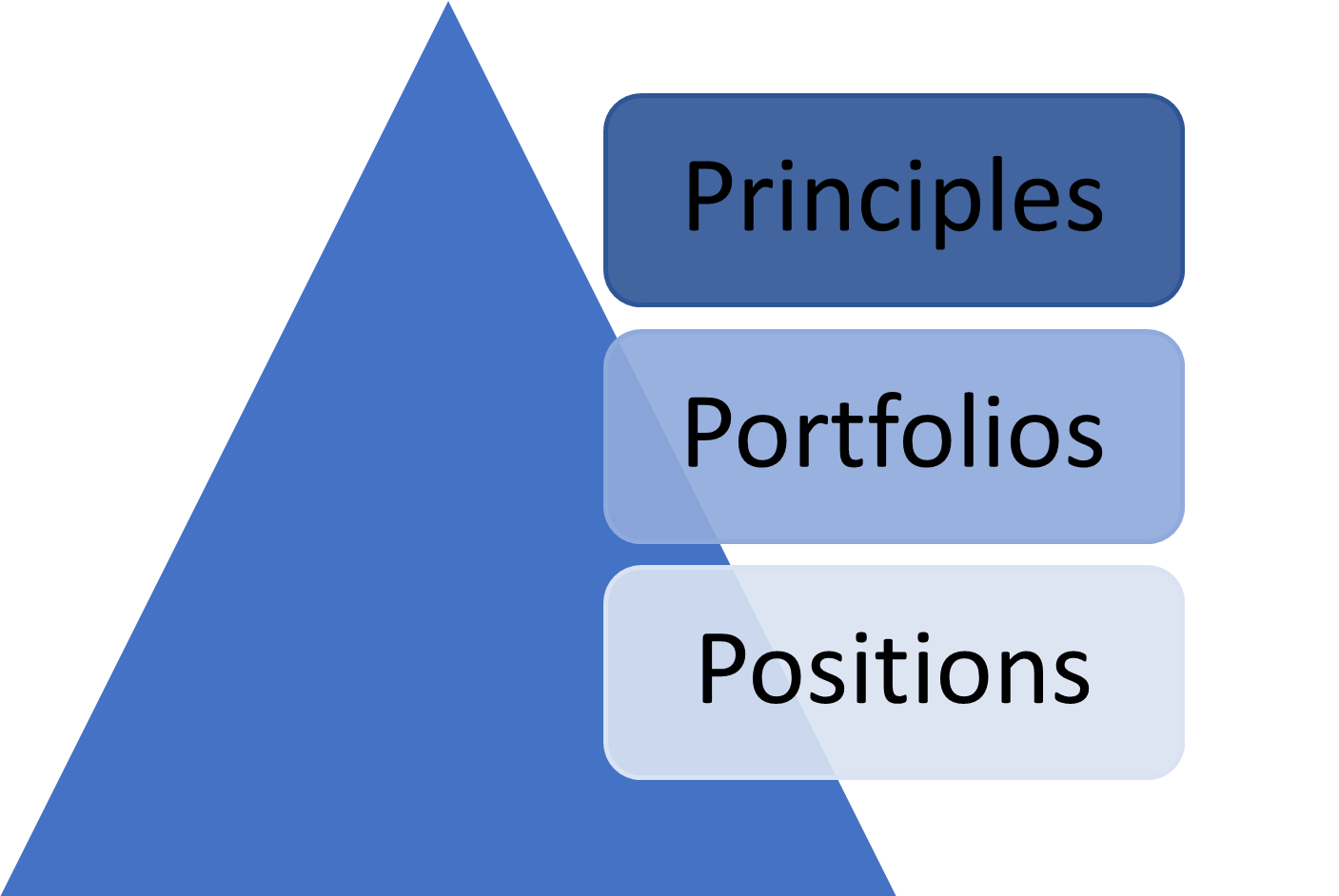
National Irrigators’ Council (NIC) policy is determined by Members and underpinned by our Policy Principles and our Mission and Values within our Strategic Plan.
Our public policy work covers five main portfolios of work:
Policy Position Statements can be established for specific issues when it is determined a more specific and detailed position is required on an issue. Members can determine that specific issues may require a unique Policy Position. Position Statements are clear, concise formal position on Public Policy Positions. Members and staff determine what issues require Position Statements and these are developed through discussion and deliberation of Members, who vote during General Meetings or Special General Meetings throughout the year.
The Member determined Policy Principles and Position Statement form the basis of our advocacy work and participating in inquiries and consultation processes. Members help design and craft these documents throughout the year as needed.

Enhance and protect water property rights without altering the characteristics.

Utilise market mechanisms to ensure no negative third-party impacts on water reliability or availability; compensate or mitigate any impacts by negotiation with affected parties.

Governments must effectively engage industry in policy development and implementation.

Fair and equitable policy must share risks and opportunities among all stakeholders not just water users, ensuring a balance.
Developed in house, by the National Irrigators’ Council (NIC), this document is intended to cover the expectations and commitments of our industry (and the people and communities we represent), but we believe these extend to all stakeholders. We welcome all stakeholders sharing this Guideline.
This Guideline is based on the guidance provided by the International Association for Public Participation (IAP2), including the IAP2 core values, code of ethics, public participation spectrum, and quality assurance standard. This scorecard is based on the IAP2 Evaluation Framework.
This Guideline has been developed in the context of considerable challenges faced by stakeholders in public consultation on water policy, leading to reform and consultation fatigue. We have been concerned that Government agencies have misinterpreted this fatigue as – ‘stakeholders don’t want to be consulted’ – which is not correct.
Stakeholders do want to be consulted, and must be, in the important and critical matters of water policy decision-making. But – this needs to be done well. Stakeholders rarely mind being involved in consultation if they agree with the problem-definition and feel part of working towards the solution. The frustration and fatigue comes from feeling consultation is not genuine, input is not valued, we are not empowered to affect change, disagreement with the problem-definition, feel time and resources are wasted with pre-determined outcomes or proposals that lack rigour, or poorly designed and rushed processes.
We hope that this Guideline provides a resource for government agencies, decision makers, and other stakeholders to communicate what is meant by “good consultation”.
Ultimately, good consultation is in the interests of everyone, as part of the process to better decisions.
Consultation is not a curtesy - its a responsibility
Our public policy work falls into five main categories, to find our more about positions specific to these portfolios and background information you can visit the portfolio page. NOTE - all positions are currently under audit and review, to prepare new formats and may not be available.
Positions Statement Available on: Reliability fo Water Access Entitlements.
Position Statements Available on:
Murray Darling Basin Plan
Constraints
SDLAM Reconciliation
Policy Positions under review
Policy Positions under review
Position Statements Available on: Enabling Cultural Objectives in Water Management
As a National body, our work is focussed on national water policy. National Irrigators' Council prepares Federal Election platform documents for engagement with all Parties and Independents, prior to and during a Federal Election Campaign.
Our Federal Election platforms cut across all of our Policy Portfolios.

A Federal Election is due to be called by May 2025 to allow for enough time for an election of the House of Representatives and the Senate (with half the Senate Members positions due to expire on 30 June 2024).
Members have been working on the 2025 Federal Election and it will be due for release shortly.
NIC provided their final submission into the Indepedant Reviewer for the Statutory Review of the Water Act.
Key points included ensuring the Water Act reflects the constitutional arrangements for water, reshaping the Act to reflect the changed roles of the Murray Darling Basin Plan from a plan of recovery to management and ensuring the froundations of water management framework, agreed in 2004 are reflected in legislation.
A first Draft following initial Member discussions has been preared for the Water Act Review Dicussion Paper response.
Please review and consider feedback, preferably in tracked changes. A Policy drop in session will be held to work through feedback
also.
This is a frist Draft, we expect further additional work in a few areas including the inclusion of data from our proposed survey on water
information. We will also be cross checking our Basin Plan submission table to the recommendations to ensure we have captured
everything.
NIC provided a submission into the Snowy Water Inquiry Outcomes Implementation Deed Draft Report following a review of the recommendations.
NIC recognised that a modernised, transparent and evidence-based Deed framework is needed. NIC also welcomed the Panel’s stated intent that
improved environmental outcomes should be pursued without compromising the reliability of water supply for irrigation. NIC has identified
several areas where the draft recommendations, create material risk to the reliability of downstream consumptive entitlements, extend to
shared interstate water resources, and sit uneasily with the risk-allocation and compensation principles of the National Water Initiative
(NWI) and with the Review Framework’s own stated principles.
Find out more about our community, and join our mission advocating for the Australian irrigated
agriculture industry.